
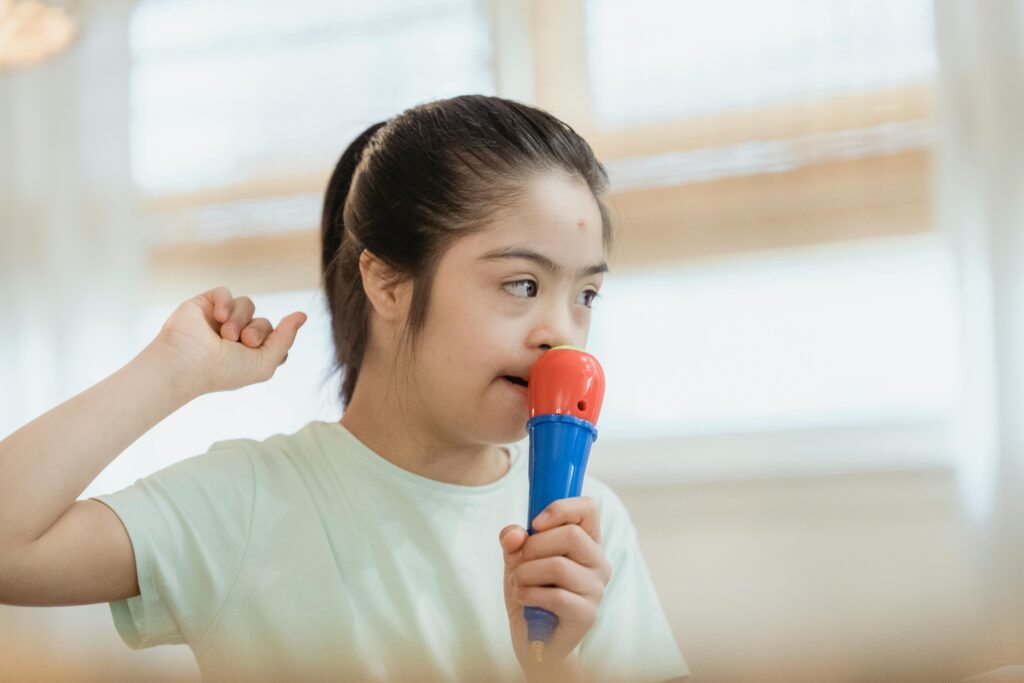
Communication Challenges in Kids and Teens: When Speech Therapy Can Help
Many parents notice their child having difficulty communicating clearly, understanding instructions, or participating comfortably in conversations. These challenges sometimes become more noticeable once children begin school, where communication plays an important role in learning, friendships, and classroom participation.
Speech-language therapy can support children in developing the communication skills they need to succeed both academically and socially.
What Does Speech Therapy Support in School-Age Children?
Speech-Language Pathologists (SLPs) work with children and adolescents on a wide range of communication skills, such as:
• Speech sound clarity
• Understanding spoken language
• Expressing ideas and thoughts
• Social communication skills
• Reading and writing foundations
• Fluency (stuttering)
• AAC (equipment / tools to support communication)
Many parents are surprised to learn that speech therapy supports much more than pronunciation.
Signs a School-Age Child May Benefit from Speech Therapy
Communication challenges can look different depending on a child’s age and developmental profile. Some common signs include:
Difficulty Being Understood
Some children continue to struggle with certain speech sounds beyond the age when most peers have mastered them.
Parents or teachers might notice:
• Speech that is difficult for others to understand
• Consistent difficulty with specific sounds
• Frustration when trying to communicate
Speech therapy can help children develop clearer speech patterns.
Difficulty Understanding Language
Language comprehension is essential for classroom learning. Some children may struggle with:
• Following multi-step instructions
• Understanding questions
• Remembering verbal information
• Keeping up with classroom discussions
These challenges can sometimes affect academic performance.
Difficulty Expressing Thoughts
Some children understand language well but have trouble organizing or expressing their ideas.
This may look like:
• Short or incomplete sentences
• Difficulty explaining ideas
• Trouble telling stories in sequence
• Challenges participating in discussions
Speech therapy can support language organization and expression.
Social Communication Challenges
Communication is also important for building relationships.
Some children may struggle with:
• Taking turns in conversation
• Staying on topic
• Interpreting social cues
• Adjusting language for different situations
Speech-language therapy can help children develop these important social communication skills.
Frustration or Avoidance with Communication
Children who struggle with communication may begin to:
• Avoid speaking in class
• Withdraw from conversations
• Show frustration when misunderstood
Early support can help build confidence and reduce communication stress.
How Speech Therapy Helps School-Age Children
Speech therapy sessions are typically interactive and tailored to each child’s goals. Therapists may focus on:
• Practicing speech sounds
• Strengthening language comprehension
• Improving sentence structure and storytelling
• Developing social communication skills
• Building strategies for classroom participation
Parents and caregivers are often included so strategies can be reinforced at home and school.
Speech Therapy Support for Children in Ontario
Families across Ontario often seek speech-language therapy when communication challenges begin affecting school participation or social confidence.
At Oaknine Healthcare, SLP sessions are offered in-home or virtually, helping make services more accessible for families and allowing therapy to take place within a child’s natural routines.
Providing therapy in familiar environments can help children feel more comfortable and engaged, while also allowing therapists to develop strategies that fit naturally into everyday life. Virtual sessions can also be a flexible option for families who prefer support from home or benefit from parent coaching.
Our Speech-Language Pathologists work collaboratively with families to create practical strategies that support children’s participation, independence, and confidence in daily activities at home and school. The goal is to make therapy accessible, engaging, and meaningful, while supporting each child’s unique strengths and needs.
Final Thoughts
Communication skills continue developing throughout childhood and adolescence. When challenges begin to affect learning, confidence, or social participation, speech-language therapy can provide meaningful support.
If you have concerns about your child’s communication skills, consulting with a Speech-Language Pathologist can help identify helpful next steps.
Learn more about our services here!
Alyson Oaknine, Founder and Occupational Therapist, OT Reg. (Ont.)
This content is for educational purposes only and is not intended to replace individualized assessment or treatment from a qualified healthcare professional.
Get Started With
Oaknine Healthcare
Contact us to learn more about our home-based and virtual therapy services for children, parents, and caregivers.