
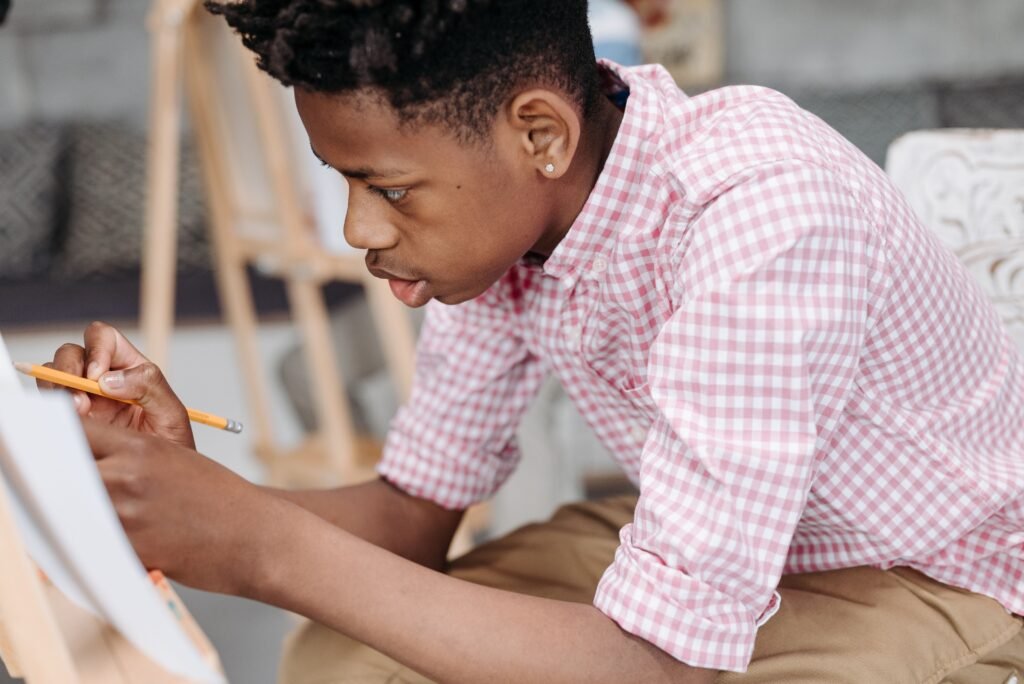
The Benefits of Art Therapy for Children: Expressing Emotions Beyond Words
Sometimes children experience feelings that are difficult to explain.
A child may feel anxious, frustrated, sad, or overwhelmed without knowing how to put those emotions into words. For other children, talking directly about their feelings may feel uncomfortable or intimidating.
Art therapy offers an alternative way for children to explore their emotions, express themselves, and develop coping skills through creativity.
The wonderful thing about art therapy is that children do not need to be artistic to participate. The focus is on the experience, not the finished product.
What Is Art Therapy?
Art therapy is a form of mental health support that combines creative expression with therapeutic techniques.
A trained art therapist may use activities such as:
• Drawing and painting
• Clay and sculpting
• Collages and mixed-media art
• Creative storytelling
• Visual representations of feelings and experiences
Unlike a traditional art class, the goal is not to teach artistic techniques or create a beautiful picture.
Instead, art therapy provides opportunities for children to explore their thoughts, feelings, and experiences within a supportive therapeutic relationship.
When delivered as psychotherapy, it is provided by a professional appropriately qualified to practice psychotherapy in Ontario.
How Can Art Therapy Help Children?
Art therapy may be beneficial for children experiencing a range of emotional and developmental challenges.
1. Emotional Expression
Art can provide children with another way to communicate feelings that may be difficult to describe verbally.
2. Emotional Regulation
Creative activities can provide opportunities to explore calming strategies, recognize emotions, and practice responding to difficult feelings.
3. Confidence and Self-Esteem
Making choices, experimenting with materials, and creating something meaningful can help children develop a sense of accomplishment and confidence.
4. Coping with Stress and Anxiety
Art therapy may help children explore worries, identify sources of comfort, and develop coping strategies within a supportive environment.
5. Processing Difficult Experiences
For some children, creative expression can provide a gentle way to explore grief, life changes, relationship challenges, or other emotionally difficult experiences.
The benefits depend on each child’s needs, the therapeutic approach, and the relationship with their therapist.
What Happens During an Art Therapy Session?
Art therapy sessions are individualized based on a child’s age, interests, abilities, and goals.
A therapist might invite a child to draw their feelings, create a representation of a safe place, or use different art materials to explore emotions.
Some children enjoy talking about their artwork, while others prefer to express themselves through the creative process.
The therapist helps create a supportive environment where children can explore their feelings without pressure or judgment.
Creative Strategies Parents Can Try at Home
Parents can encourage emotional expression through simple creative activities.
• Draw your feelings. Invite your child to choose colours or shapes that represent how they feel.
• Create an emotional weather report. Ask, “If your feelings were weather today, would they be sunny, cloudy, rainy, or stormy?”
• Make a comfort collage. Use pictures or drawings of people, places, and activities that help your child feel safe.
• Offer creative choices. Let your child decide what materials to use and whether they want to talk about their artwork.
• Focus on the process. Instead of asking whether a picture looks good, ask, “What did you enjoy about making this?”
Remember that these activities are opportunities for connection and expression, not a substitute for professional art therapy.
Art Therapy for Children in Ontario
At Oaknine Healthcare, we believe every child deserves a safe, supportive space to express themselves.
Our art therapy and mental health services are designed to support children’s emotional well-being, confidence, and self-expression through individualized approaches.
With in-home and virtual options, children can receive support in familiar environments while families remain involved in the therapeutic process as appropriate.
For families using Ontario Autism Program (OAP) funding, art therapy is eligible under psychotherapy services.
Final Thoughts
Children do not always have the words to explain what they are feeling, and that is okay.
Art therapy can provide another way to explore emotions, develop coping skills, and build confidence through creativity.
Whether through drawing, painting, or other creative activities, the opportunity to express oneself in a supportive environment can be meaningful.
If your child is experiencing emotional challenges or difficulty expressing their feelings, we’d love to connect and discuss whether art therapy might be helpful.
Learn more about our pediatric art therapy services!
Alyson Oaknine, Founder and Occupational Therapist, OT Reg. (Ont.)
This content is for educational purposes only and is not intended to replace individualized assessment or treatment from a qualified healthcare professional.
Get Started With
Oaknine Healthcare
Contact us to learn more about our home-based and virtual therapy services for children, parents, and caregivers.